
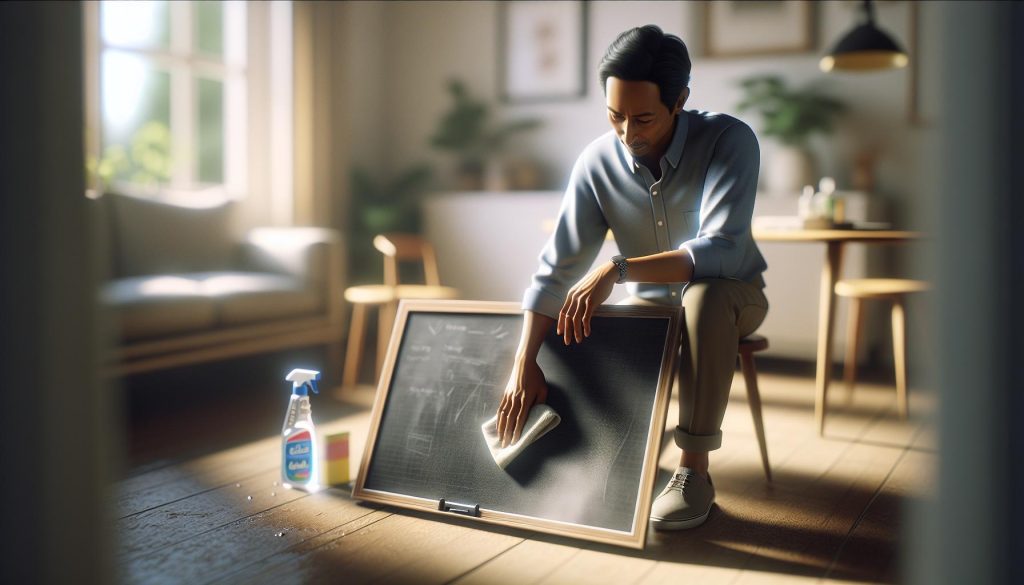
Did you know that a well-maintained dry erase board can last significantly longer and enhance your brainstorming sessions? Over time, these boards can accumulate stubborn stains and ghosting marks that detract from their functionality. If you’ve ever found yourself frustrated by an old, dull surface that doesn’t wipe clean, you’re not alone. The good news is that cleaning and revitalizing your dry erase board doesn’t have to be a chore. With a few simple hacks, you can restore its clarity and make it look almost new again. Whether you’re a teacher, a business professional, or someone who utilizes dry erase boards at home, having a clean canvas is essential for clear communication and creativity. Dive into our guide to discover practical methods that not only remove grime efficiently but also help maintain your board for years to come!
Best Tools for Cleaning Old Dry Erase Boards
When it comes to cleaning old dry erase boards, the right tools can make all the difference in restoring your board to its former glory. Having a selection of effective cleaning tools not only ensures that stubborn stains are addressed but also maintains the surface integrity of your board over time. Here are essential tools and recommendations that every user should consider for optimal cleaning results.
Must-Have Cleaning Tools
- Microfiber Cloths: These are gentle on the surface and excellent for trapping dust and ink residues without scratching. Keep a few on hand to quickly wipe down the board after use.
- Whiteboard Cleaner: Invest in a commercial whiteboard cleaner designed specifically for the job. These cleaners often contain properties that break down ink and prevent staining.
- Alcohol-Based Solutions: 70% isopropyl alcohol can be an effective tool for tougher stains. Apply it on a cloth and gently rub the stained area until clean.
- Spray Bottles: For those who prefer DIY solutions, a spray bottle filled with a mix of vinegar and water can also work wonders. The acidity in vinegar helps lift stains while being safe for most board surfaces.
- Scrapers or Erasers: A specially designed dry erase board eraser efficiently removes regular ink. For stubborn marks, a plastic scraper ensures you won’t damage the surface while helping dislodge old residue.
Specialty Tools for Deep Cleaning
For deeper cleans, consider using tools that cater specifically to dry erase board maintenance. One recommended option is the combination of a dry erase board cleaning spray with a high-quality abrasive sponge. This dual approach effectively tackles difficult stains while ensuring you still maintain care for the surface. Additionally, some users find that using a steam cleaner at a safe distance can help lift ingrained dirt without additives, providing a natural cleaning option.
By gathering a toolkit of these essential cleaning products and tools, you can take proactive steps to maintain your dry erase board and keep it looking fresh and inviting for all your brainstorming sessions.
Easy DIY Solutions for Stubborn Stains
Tired of looking at stubborn stains that just won’t budge from your dry erase board? Fear not! There are several easy DIY solutions to tackle those pesky marks and restore your board to its original pristine condition. With just a few common household items and some creative techniques, you can effortlessly banish stains without the need for expensive commercial cleaners.
One of the most effective and budget-friendly approaches involves using a simple mixture of white vinegar and water. Combine equal parts of both in a spray bottle, shake well, and spray it directly onto the stained areas. Let it sit for a couple of minutes to allow the vinegar to penetrate the stain, then wipe it away with a microfiber cloth. This natural solution not only cleans effectively but also leaves your board smelling fresh due to vinegar’s inherent deodorizing properties.
Another fantastic method involves rubbing alcohol or hand sanitizer. Apply a small amount to a clean cloth and gently rub the stained area. The alcohol works wonders by breaking down the stubborn ink residues that cling to the board’s surface. For extra tough stains, you might want to let the alcohol sit for a minute before wiping it clean to maximize its cleaning potential. Always make sure to follow up with a dry cloth to absorb any excess moisture and prevent streaking.
Lastly, don’t underestimate the power of dry erase markers themselves! Surprisingly, you can use a whiteboard marker to write over the stubborn stains, then immediately wipe them away with an eraser or cloth. This technique effectively lifts the residual ink by leveraging the solvents found in the dry erase ink. It’s a quick fix that’s perfect when you’re in a bind and need a speedy solution.
Utilizing these easy DIY methods can breathe new life into your old dry erase board, transforming it from a neglected surface to a clean and vibrant canvas for your ideas and notes. The best part? These techniques are not only effective but also environmentally friendly and easy on your wallet, allowing you to enjoy a pristine writing surface without the hassle of harsh chemicals.
How to Revive Faded Markers and Board Surfaces
Reviving faded markers and board surfaces can transform an old, neglected dry erase board back into a vibrant tool for creativity and organization. Over time, markers lose their potency, leaving behind weak lines or even disappearing altogether, but there are methods to remedy this. A simple yet effective approach involves ensuring that your markers are properly stored and maintained. Always store dry erase markers horizontally to prevent the ink from settling at one end, which can lead to drying out.
To consciously restore a faded dry erase marker, try this technique: Take a cup of rubbing alcohol and soak the tip of the marker for a few minutes. This process helps to rejuvenate the ink inside, allowing for a smoother flow. Be sure to test the marker on a scrap piece of paper after soaking to see how well it has revived. If the ink flow is good, you can safely start using it on your board again. Additionally, consider investing in high-quality markers. While they may cost more upfront, they often last longer and provide richer colors that can significantly enhance the visibility and appeal of your written content.
For cleaning the board itself, if the surface appears dull or stained, a gentle deep-cleaning routine can work wonders. Mix equal parts of water and vinegar in a spray bottle, apply it to the board, and wipe it down with a soft cloth. This solution ensures that the board surface is not only clean but also helps restore its shine. For persistent marks, gentle scrubbing with a non-abrasive eraser or cloth can help lift tough stains without damaging the board’s surface.
To maintain the board’s longevity and vitality, establish a regular cleaning routine, utilizing safe and effective cleaning solutions. This practice not only preserves the board’s condition but also enhances the performance of your markers, ensuring that each session is as productive as possible. Maintaining your dry erase board can seem daunting, but with these straightforward steps, you can keep it looking its best and ready for your next brainstorming session or meeting.
Essential Cleaning Products for Long-Lasting Boards
When it comes to prolonging the lifespan of your dry erase board, the right cleaning products are essential. Using improper or harsh chemicals can not only reduce the effectiveness of your board but can also damage its surface over time. Here’s a guide to some of the best cleaning products that will keep your board looking pristine and functioning well.
Start with the basics: a good quality dry erase board cleaner. These products are specifically formulated to dissolve the buildup of ink and dust without harming the surface. They come in spray bottles for easy application. Look for options that are ammonia-free to protect your board from any degradation. Alternatively, you can make a DIY solution by mixing equal parts of water and white vinegar in a spray bottle. This natural cleaner is effective in removing stains while keeping the board’s surface intact.
For stubborn marks that resist regular cleaners, a specialized stain remover, such as rubbing alcohol or a dedicated board cleaning wipe, can be a game-changer. Rubbing alcohol not only cleans but also evaporates quickly, reducing the chance of leaving residue on the board. Always test these products on a small section first to ensure they do not affect your board’s finish.
To safeguard your markers and ensure they write smoothly, invest in high-quality dry erase markers. These markers provide richer colors and are less likely to cause staining. Furthermore, consider keeping an eraser with an integrated cleaning pad handy. It can help in maintaining cleanliness between heavy uses, allowing for much quicker cleanup.
Lastly, having a microfiber cloth on hand will elevate your cleaning routine. Unlike standard cloths, microfiber is gentle and effective at removing dust and grime without scratching surfaces. When paired with your chosen cleaning product, it provides an efficient method for wiping down your board.
In summary, stocking up on these essential cleaning products not only enhances the performance and longevity of your dry erase board but also makes maintenance a breeze. With the right tools at your disposal, you can keep your workspace organized and visually appealing, ensuring that your dry erase board remains a vibrant part of your creativity and productivity toolkit.
Step-by-Step Guide to Deep Cleaning Your Board
To restore your old dry erase board to its former glory, a bit of dedication and the right techniques are essential. Deep cleaning not only enhances the board’s appearance but also ensures its longevity and functionality. With a structured approach, you can remove stubborn stains, revive the surface, and maintain a smooth writing experience.
Start by gathering your supplies. You’ll need a good quality dry erase board cleaner, microfiber cloths, rubbing alcohol, water, white vinegar, and an eraser. If you prefer DIY options, combine equal parts of water and vinegar in a spray bottle as a gentle yet effective cleaner. Additionally, make sure you have access to a soft cloth or sponge, as abrasive materials can damage the board’s surface.
Begin the deep cleaning process by removing all ink marks. Spray your cleaner or DIY solution generously over the board’s surface, allowing it to sit for a minute to break down the ink. Use a microfiber cloth in a circular motion to wipe away the dirt and stains. For persistent marks, apply a small amount of rubbing alcohol directly to the stain and follow with the microfiber cloth. This method not only removes tough stains but also won’t leave behind residue, ensuring a pristine board.
Once the initial cleaning is complete, rinsing the board is important. Use a clean, damp cloth to wipe the surface and remove any leftover cleaning solution. Ensure that the board is completely dry after this step, as moisture can lead to future staining or damage. Finally, finish off by buffing the surface with a dry microfiber cloth to restore a shiny, smooth finish that’s ready for your next brainstorming session. By following these steps, your dry erase board will look fresh and ready to capture your next big idea!
Preventing Future Stains: Tips and Tricks
Maintaining the pristine condition of your dry erase board doesn’t just begin with cleaning; it continues with smart usage and preventive strategies. Many users find that taking a few simple precautions can significantly reduce the frequency and severity of stains, enhancing both the board’s appearance and longevity. Adopting these proactive measures can ensure your board remains a clear canvas for your ideas and presentations.
Start by selecting high-quality dry erase markers. Many budget markers contain pigments and dyes that stubbornly adhere to the surface, making them more difficult to erase. Opt for brands known for their easy wipe-off capabilities. Avoid using permanent markers on dry erase boards, as these can inadvertently lead to irreversible staining. If a permanent marker does end up on the board, you can usually remove it by drawing over it with a dry erase marker and then erasing; this method can lift the permanent ink as well.
When it comes to regular maintenance, establish a routine for cleaning your board to prevent ink buildup. A quick wipe-down after each use can drastically reduce the potential for stains. Utilize a microfiber cloth for this task, as it effectively collects residual ink without scratching the board’s surface. For deeper cleaning sessions, employ a mixture of vinegar and water in a spray bottle, allowing it to sit briefly before wiping it away; this will keep your board looking new.
Another effective preventive measure is to minimize environmental factors that contribute to surface deterioration. For instance, keep your dry erase board out of direct sunlight to avoid fading over time. Dust and grime can also affect writing quality, so regularly dusting the board and the surrounding area will help maintain a clean workspace.
Finally, encourage best practices among users. If your board is shared in a collaborative environment, remind all users to follow cleaning protocols and store markers properly with the caps on. A collaborative approach not only helps maintain the board but fosters a sense of community around caring for shared resources.
By integrating these simple yet effective tips into your usage routine, you can confidently keep your dry erase board in excellent condition, ready to inspire creativity and collaboration at all times.
Maintenance Routines for Optimal Board Performance
Maintaining optimal performance of your dry erase board is crucial for ensuring it remains a reliable tool for brainstorming, teaching, or planning. A well-cared-for board can significantly enhance readability and writing quality while extending the life of both the board and your markers. Regular maintenance routines play a vital role in achieving this, creating an environment where creativity flourishes.
Start by implementing a clear daily cleaning routine. After each use, make it a habit to use a soft, lint-free cloth or a microfiber towel to wipe down the board. This quick action helps prevent ink buildups that can lead to stubborn stains. For an additional layer of cleaning, consider adding a few drops of dish soap to dampen your cloth. This not only removes ink but also eliminates any oily residue that might accumulate over time. Make sure to use gentle strokes to avoid scratching the surface.
Weekly Maintenance Tips
Set aside time each week for a more thorough cleaning. A mixture of half vinegar and half water in a spray bottle can work wonders. Spray the solution generously over the board and let it sit for a minute before wiping it off with a soft cloth. This method effectively cuts through any lingering stains and restores the board’s glossy finish. If the board has developed yellowish discoloration from older ink marks, rubbing alcohol can be a strong ally. Apply some to a cloth and gently rub the affected areas to restore clarity.
Monthly Deep-Cleaning Ritual
For a comprehensive approach, designate a monthly deep-cleaning day. In addition to your regular weekly cleaning, try using a specialized dry erase board cleaner, which can be found at most office supply stores. Follow the product instructions carefully for the best results. As part of this routine, check the quality of your markers. Remove any that are dying or drying out to prevent streaking on the board surface. Periodically reshuffle or replace markers to ensure an even application when you write.
By establishing these routines, users can keep their dry erase boards in top condition, enabling them to continue facilitating creativity and productivity without compromise. Over time, these simple practices will lead to noticeable improvements in both the appearance and functionality of the board, creating a clean and efficient workspace for all users.
How to Care for Specialty Dry Erase Surfaces
When it comes to caring for specialty dry erase surfaces, understanding the material is key. These surfaces can vary widely, from traditional whiteboards to glass and even more textured or porous options. Each type demands tailored care to maintain its clarity and functionality. One essential aspect is recognizing that specialized boards may require different cleaning agents compared to standard counterparts. Opting for gentle, non-abrasive cleaners is crucial, as harsh chemicals can degrade the surface.
For daily maintenance, always use a soft, lint-free cloth or a microfiber towel. Avoid paper towels, as they can leave behind lint or scratches. If you encounter stubborn marks that won’t budge, a simple solution of white vinegar and water can work wonders. Mix equal parts of both in a spray bottle, apply it to the surface, and wipe gently. Always test any new cleaning solution in a small, inconspicuous area first to avoid damaging the surface.
Tips for Specialty Material Care
Different materials have distinct cleaning needs. For instance, glass dry erase boards can accumulate fingerprints and smudges quickly. In this case, using a glass cleaner can be beneficial, but ensure it doesn’t contain ammonia, which could harm the board’s surface. For high-density and porous boards, check for any manufacturer recommendations regarding cleaning solutions, as these surfaces can sometimes absorb cleaner chemicals leading to discoloration.
Key Cleaning Tools:
- Microfiber cloths
- Soft sponges
- Board erasers designed for specialty surfaces
Also, consider implementing a weekly deep-clean routine with specialized board cleaners. Many brands offer surface-specific formulas that enhance longevity and can help restore sheen. Always read the product instructions and follow them meticulously for optimum results. This proactive approach not only maintains clean and vibrant writing surfaces but also enhances the overall effectiveness of your dry erase board. By adhering to these practices, you can enjoy a range of creative and productive uses from your specialty dry erase surfaces for years to come.
Common Mistakes to Avoid When Cleaning Boards
Cleaning old dry erase boards can come with its fair share of challenges, especially if common mistakes are made during the process. Many people underestimate the importance of using the right materials and techniques, which can lead to damage and less effective cleaning. For instance, a prevalent error is using abrasive cleaners or scrubbing pads that can scratch the surface of the board. These scratches not only make the board less visually appealing but can also impede the functionality of the dry erase surface, trapping ink and making it harder to clean in the future.
Another frequent mistake is neglecting to promptly wipe away dry erase marker residue. Allowing ink to dry on the board can result in stubborn stains that are much harder to remove. Instead, aim to clean the board regularly using a mild cleaner or a solution of water and vinegar, applied with a soft, lint-free cloth. Additionally, many users overlook the importance of testing a new cleaning solution on a small area first, which can prevent unintended damage to the surface.
Additionally, using paper towels can be counterproductive. While they may seem convenient, paper towels can leave behind fibers and create scratches, making them unsuitable for sensitive surfaces. Consider switching to microfiber cloths or designated board erasers, as these tools are designed for this purpose and can help maintain the board’s integrity. Lastly, avoid signs of neglect-like using permanent markers for writing. It can be tempting in a pinch, but this will lead to permanent stains and frustration. Sticking to dry erase markers will ensure that your board remains clean and usable for as long as possible.
By avoiding these common pitfalls, you can maintain your dry erase board in top condition, ensuring it remains a valuable tool for creativity and organization.
Creative Uses for Old Dry Erase Boards
Transforming an old dry erase board can spark creativity in ways you might not have considered. Beyond being a mere writing surface, these boards serve as versatile tools for organization, communication, and even art. Given their adaptable nature, it’s worth exploring how to breathe new life into them for various applications around your home or office.
One effective use for an old dry erase board is as a family command center. You can designate sections for meal planning, chore assignments, or important reminders that everyone can see at a glance. Use colored markers to differentiate between tasks-making it easy for each family member to know what’s on their plate for the week. To enhance this setup, consider attaching magnets for notes and documents, transforming your board into a dynamic organizational hub.
Old dry erase boards can also be repurposed as creative canvases. Consider using the board for inspirational quotes or daily affirmations. You might paint the frame or the board itself in a vibrant color to make it a decorative piece in your home. Artists can experiment with different designs or doodles, and the erasable surface allows for continuous modification-perfect for those inspired moments. Furthermore, you could even organize art supplies around it, making it an ideal spot for kids to free-draw or brainstorm.
Another practical application is in the realm of learning-these boards become excellent teaching aids. You can use them for practicing math problems, writing words, or sketching diagrams, catering to various learning styles. For students, having a personal study board can enhance focus and engagement, making homework a bit more interactive and less monotonous.
Lastly, consider using your dry erase board as a message board. Position it near your front door or in a common area to jot down reminders or messages for your family or housemates. It’s also a fantastic tool for tracking goals-simply write down your objectives and check off items as you achieve them, providing both motivation and visual progress.
With just a little creativity, an old dry erase board can take on new purposes that stimulate both function and artistic expression, allowing for a vibrant and organized environment.
Final Thoughts on Keeping Your Board Sparkling Clean
Maintaining the pristine condition of a dry erase board not only enhances its visual appeal but also ensures optimal performance for your writing and drawing needs. Regular cleaning is essential, as it prevents ink buildup and stubborn stains that can tarnish the board’s surface. Start by using a soft, lint-free cloth or a dedicated board eraser for daily cleaning. Gently wipe the board after each use to avoid residue from setting in. Incorporating a routine deep cleaning every few weeks can further extend the life of your dry erase board.
For a quick yet effective DIY cleaning solution, combine equal parts of white vinegar and water in a spray bottle. This solution cuts through markers and stubborn stains without damaging the board. Spritz a small amount onto the surface, let it sit for a moment, and wipe away with a microfiber cloth. For exceptionally stubborn marks, rubbing alcohol applied with a cotton pad can work wonders, lifting even the most tenacious ink.
Another tip for preserving your board is to avoid using ammonia-based cleaners, as they can degrade the surface over time. Instead, opt for products specifically designed for dry erase surfaces, ensuring compatibility and longevity. Additionally, consider investing in high-quality dry erase markers, as low-grade options often leave behind more residue that can be tough to clean.
In conclusion, by adopting simple cleaning habits and using effective products and techniques, you can keep your dry erase board looking fresh and vibrant. Remember, a well-cared-for board not only looks better but also enhances your productivity and creativity!
Q&A
Q: How can I remove tough stains from an old dry erase board?
A: To remove tough stains, create a paste with baking soda and water, apply it to the stained area, and gently scrub with a soft cloth. Rinse with a damp cloth afterward. For more tips on stain removal, check the section on Easy DIY Solutions for Stubborn Stains.
Q: What cleaning solutions are safe for dry erase boards?
A: Safe cleaning solutions include isopropyl alcohol, white vinegar diluted with water, and commercial dry erase board cleaners. These options effectively remove residue without damaging the surface, as discussed in the Essential Cleaning Products for Long-Lasting Boards section.
Q: How do I fix faded areas on a dry erase board?
A: To fix faded areas, try revitalizing the board with rubbing alcohol or a specialized board conditioner. Additionally, making sure to use high-quality markers can prevent future fading. For more details, refer to the Reviving Faded Markers and Board Surfaces section.
Q: How often should I clean my dry erase board?
A: It’s ideal to clean your dry erase board at least once a week to prevent buildup and staining. Regular cleaning maintains clarity and usability, as highlighted in the Maintenance Routines for Optimal Board Performance.
Q: Can I use baby wipes to clean a dry erase board?
A: Yes, baby wipes can clean dry erase boards, but ensure they are alcohol-free to avoid damaging the surface. Check the section on Common Mistakes to Avoid When Cleaning Boards for more about suitable cleaning practices.
Q: What should I do if my dry erase markers won’t write properly?
A: If your dry erase markers won’t write, they might be dry or clogged. Revive them by shaking well and testing on paper. If that doesn’t work, soak the tips in rubbing alcohol for a few minutes. Explore the How to Revive Faded Markers and Board Surfaces for additional tips.
Q: Are there any DIY cleaners for dry erase boards?
A: A simple DIY cleaner can be made with equal parts of water and vinegar in a spray bottle. Shake well and spray onto the board, wiping with a microfiber cloth. For more homemade solutions, refer to the Easy DIY Solutions for Stubborn Stains section.
Q: How can I ensure my dry erase board lasts longer?
A: To extend your dry erase board’s life, avoid using permanent markers, clean it regularly, and use felt erasers instead of sponge ones. Find more prevention tips in the Preventing Future Stains: Tips and Tricks section.
Key Takeaways
When it comes to rejuvenating your old dry erase board, these simple cleaning hacks are just the beginning. Remember, maintaining your board not only enhances your writing experience but also extends its lifespan. If you found this guide helpful, check out our additional tips on stain removal techniques and DIY cleaning recipes to keep your office supplies in top shape. Don’t wait-grab your cleaning supplies and get started today to see the difference!
Still have questions or concerns? Feel free to leave a comment below, or explore our fabric care mastery section for more expert advice. If you enjoyed this content, consider subscribing to our newsletter for regular updates and stay tuned for our next topic on preserving your favorite writing tools. Your feedback fuels our passion for sharing knowledge, so don’t hesitate to connect with us!


